
New Home Construction Hurricane Protection in Florida:
Building for the Future
Expertly Installed. Built to Last. Designed for You.
Building a new home in Florida means preparing for hurricanes, high winds, flooding, and extreme weather conditions from day one. From Miami-Dade to coastal communities across South Florida, modern construction must account for strict building codes, hurricane history, and evolving storm intensity. New home construction that prioritizes hurricane protection is no longer optional. It is a critical investment in safety, structural integrity, and long-term value.
Florida homes built today are expected to withstand hurricanes that bring sustained winds exceeding 150 miles per hour, wind-borne debris, heavy rain, and storm surge. Understanding how hurricane resistant homes are designed helps homeowners, builders, and communities create safer living spaces for the future.
Why Hurricane Protection is Critical for New Residential and Commercial Construction
Florida is one of the most hurricane-prone regions in the United States. Major storms such as Hurricane Andrew and Hurricane Ian reshaped how homes are built across the Sunshine State. These events exposed the most vulnerable parts of older homes, including roofs, windows, doors, and foundations.
New homes must be designed to withstand high winds, flying debris, and water intrusion. Without proper hurricane protection, homes are at risk of structural failure that can compromise walls, roofs, and the home’s foundation. Strong winds and storm surge place enormous stress on buildings, especially in coastal and flood-prone areas.
Incorporating hurricane protection during new construction is one of the smartest ways to protect life, property, and long-term investment.
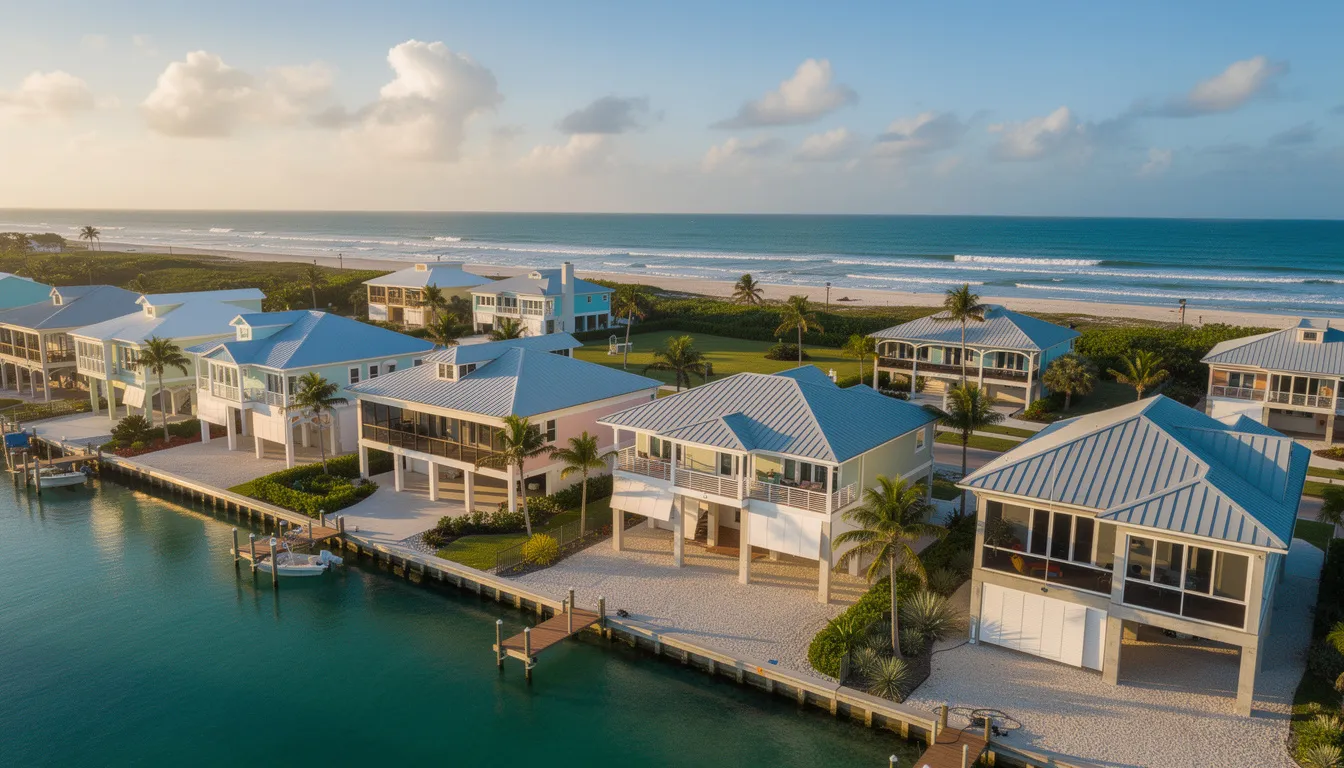
Florida Building Code and High Velocity Hurricane Zones
The Florida Building Code (FBC) sets strict construction standards that continue to evolve based on storm data and engineering advancements. After Hurricane Andrew, Florida implemented some of the most rigorous building codes in the country.
Homes built in High Velocity Hurricane Zones, including much of Miami-Dade, must meet enhanced wind resistance requirements. These codes specify wind loads, impact resistance, and construction methods designed to help homes withstand hurricanes and tropical storms.
Many Florida builders exceed minimum code requirements to add additional protection, especially in coastal homes and communities exposed to storm surge and flooding.
Impact Windows and Doors: Your First Line of Defense
Windows and doors are among the most vulnerable parts of a house during a hurricane. Impact resistant windows and doors are designed to withstand impacts from flying debris while maintaining structural integrity.
Impact windows use laminated glass systems that resist shattering even when struck at high force. This prevents wind from entering the home, which can lead to catastrophic pressure buildup and roof failure.
Impact resistant doors and garage doors play a similar role, protecting large openings that are otherwise susceptible to wind-borne debris and high winds. Together, impact windows and doors help create a secure building envelope that protects the entire structure.
Call us today and we’ll address all your inquiries within 48 hours. Let’s build something strong, together.

Work With Top
Tier Suppliers
Structural Elements That Help Homes Withstand Hurricanes
Reinforced Foundations and Elevated Construction
New homes in flood-prone areas are often built with elevated foundations above base flood elevation requirements. Reinforced foundations protect living space from flooding and storm surge while providing stability during major storms.
Continuous Load Paths and Hurricane Straps
A hurricane resistant home relies on a continuous load path that transfers wind forces from the roof to the walls and down into the foundation. Hurricane straps and reinforced connections help prevent separation during sustained winds.
Roof Systems and Wind Resistance
Roof design plays a critical role in hurricane protection. Metal roofs offer superior wind resistance compared to traditional materials and are less likely to fail during major storms. Proper anchoring and sealed roof decks further reduce the risk of water intrusion.
Advanced Materials and Construction Techniques
Modern Florida homes often incorporate reinforced concrete, insulated concrete forms, and high-performance materials designed to withstand impacts and extreme weather. These materials have proven effective in Southwest Florida and other areas impacted by major hurricanes.
Many older homes lack these protections, making them more vulnerable to storm damage. New construction allows builders to integrate these advanced materials during the construction process rather than relying on costly upgrades later.
Wind Loads, Flooding, and Coastal Considerations
Coastal areas face unique challenges related to wind loads, storm surge, and flooding. Homes must be engineered to handle strong winds while minimizing water intrusion.
Design elements such as elevated foundations, reinforced walls, impact resistant openings, and proper drainage all work together to reduce structural damage during storms. These strategies are essential for protecting Florida homes located near water or in flood-prone regions.
Long-Term Value of Hurricane Resistant New Construction
Building hurricane protection into new homes offers both safety and financial benefits. Insurance providers often offer reduced premiums for homes with impact windows, reinforced doors, and enhanced structural systems.
Homes built to withstand hurricanes also maintain higher property value and appeal to homeowners seeking peace of mind. These features help protect families, communities, and future generations from the growing risks associated with natural disasters.
Why Choose Secure Windows & Doors?
With our extensive experience, we provide technical consultation for new residential and commercial construction projects, collaborating directly with architects, builders, and owners. Early involvement in the construction process ensures that hurricane protection elements are proactively planned and integrated for optimal resilience, seamlessly fitting your design and meeting all building code requirements.
Our team manages installation schedules and coordinates with general contractors to avoid delays and ensure quality workmanship. We bring specialized knowledge of wind loads, structural connections, and weatherproofing that goes beyond standard construction skills.
For more detailed information on storm preparedness and recommended construction materials, consult our related blog posts.
Investment and Financial Benefits of Hurricane Protection
Incorporating hurricane protection during new home construction is more cost-effective than retrofitting existing buildings. It eliminates demolition and reconstruction expenses, making comprehensive protection more affordable. Incorporating hurricane protection during new construction is also considered one of the smartest ways to reduce long-term risks, especially in flood-prone areas.
Insurance companies offer premium reductions of 10% to 45% for properties with hurricane-resistant features, including impact windows, reinforced doors, and enhanced roofing systems. These savings accumulate over time, improving your project’s financial outlook.
We offer flexible financing options, including 18-month interest-free plans through Wells Fargo, making it easier to invest in superior hurricane protection without immediate financial strain.
Planning Hurricane Protection During New Construction
Early planning is essential. Impact windows and doors typically require lead time for manufacturing and installation, making coordination during the construction timeline critical. Working with experienced professionals ensures these components are integrated without delays or costly changes.
Hurricane protection is not a single feature but a system that includes windows, doors, roofing, foundations, and structural connections working together to create a resilient hom
comprehensive protection more affordable. Incorporating hurricane protection during new construction is also considered one of the smartest ways to reduce long-term risks, especially in flood-prone areas.
Insurance companies offer premium reductions of 10% to 45% for properties with hurricane-resistant features, including impact windows, reinforced doors, and enhanced roofing systems. These savings accumulate over time, improving your project’s financial outlook.
We offer flexible financing options, including 18-month interest-free plans through Wells Fargo, making it easier to invest in superior hurricane protection without immediate financial strain.
Building Safer Florida Homes for the Future
New home construction in Florida requires a thoughtful approach to hurricane protection, informed by history, engineering, and modern building codes. By designing homes that can withstand high winds, flying debris, flooding, and severe storms, builders and homeowners help create safer communities across the state.
Protecting Florida homes starts long before hurricane season arrives. It begins with smart planning, quality materials, and construction practices designed for the realities of Florida weather and the future ahead.