
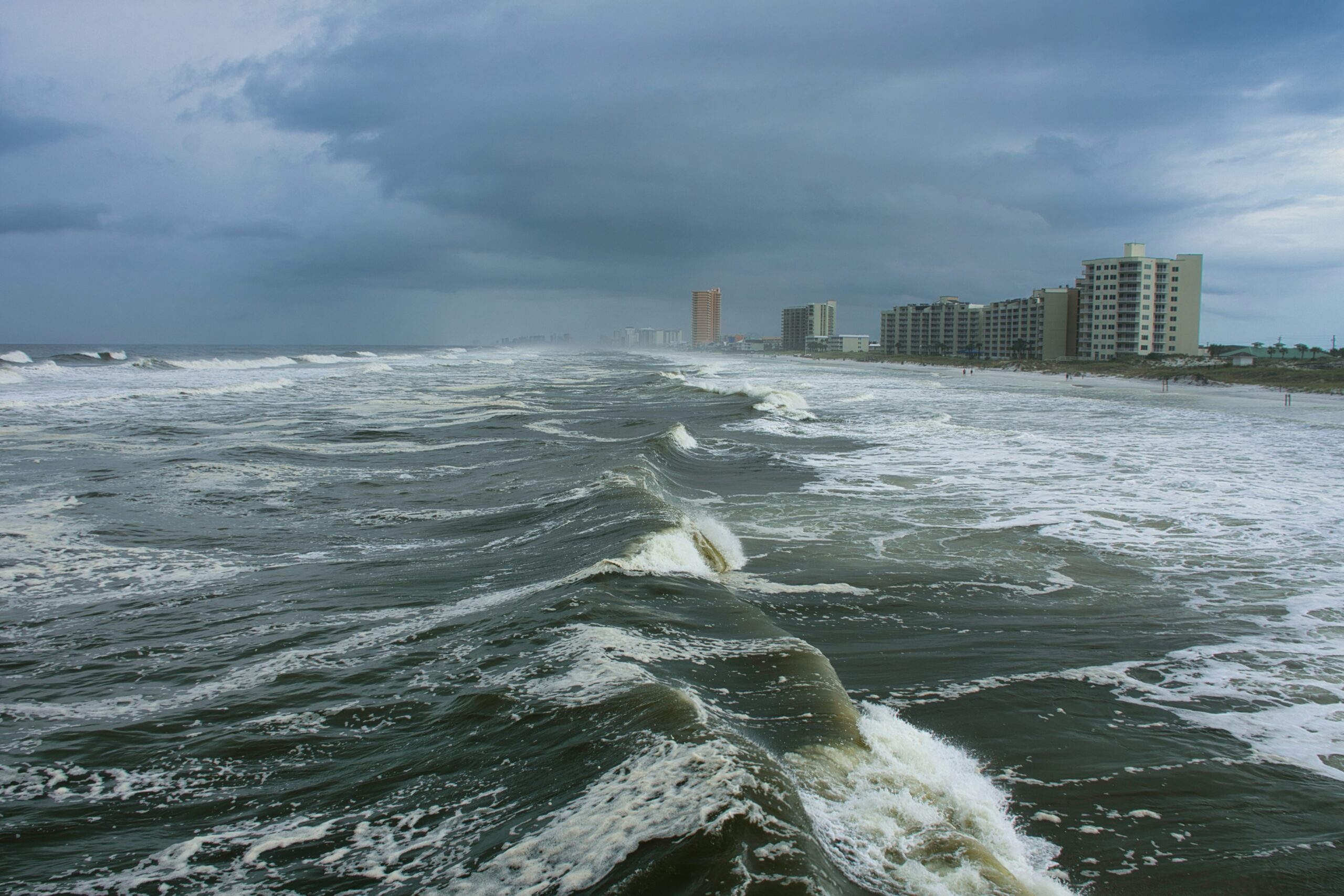
When a Category 2 hurricane approaches, many Florida homeowners ask an important question: can their windows withstand the storm? Understanding how Category 2 hurricane impact windows perform helps homeowners make informed decisions about protection in hurricane-prone areas like South Florida.
On the Saffir Simpson Hurricane Wind Scale, a Category 2 storm produces sustained wind speeds between 96 and 110 miles per hour. At these wind speeds, hurricane force winds can cause extensive damage to homes, especially if standard windows fail. This is where hurricane impact windows play a critical role.
What Defines a Category 2 Hurricane?
Sustained Wind Speeds and Wind Pressure
A Category 2 hurricane generates sustained wind speeds capable of exerting significant wind pressure on building components. Wind pressure is typically expressed in pounds per square foot and increases rapidly as wind speeds rise.
Wind design standards and wind speed maps used in Florida building codes determine the required design pressure (DP rating) for windows based on location, building height, and exposure. In hurricane prone regions such as Miami-Dade and other parts of South Florida, higher ratings are required due to increased risk.
Understanding how windows resist wind pressure is key to evaluating their ability to withstand a Category 2 hurricane.
Can Standard Windows Withstand a Category 2 Hurricane?
Standard windows and regular windows are highly vulnerable in hurricane conditions. While wind pressure alone can stress window glass, the greater threat often comes from flying debris such as tree branches, roof materials, or even loose objects carried by high speed winds.
When standard glass shatters:
- Wind enters the structure
- Internal pressure rises rapidly
- Roof uplift and structural failure can occur
This is why impact resistant windows are designed differently.
How Category 2 Hurricane Impact Windows Are Engineered
Laminated Glass and Impact Resistant Glass
Hurricane impact windows use laminated glass composed of multiple layers bonded together with a resilient interlayer such as polyvinyl butyral or ethylene vinyl acetate. This laminated structure keeps the glass bonded even if the outer layer cracks.
Instead of shattering like standard window glass, impact glass remains intact, maintaining the building envelope during hurricane force winds.
Impact Testing and Ratings
Hurricane impact window ratings are based on strict impact testing standards. To qualify as hurricane rated windows, products must pass:
- Large missile impact tests
- Cyclic pressure tests
- Wind resistance evaluations
These tests simulate flying debris and fluctuating wind pressure conditions typical during powerful storms.
Design Pressure and Performance Grade
Impact resistant windows are rated using:
- Design Pressure (DP rating)
- Performance Grade (PG or Performance Grade PG)
Design pressure DP ratings indicate how well a window can resist wind pressure and water penetration. Higher DP ratings are required in hurricane prone areas such as Miami-Dade County.
Performance Grade ratings evaluate structural load, air infiltration, and water resistance under severe weather conditions.
Window size also influences required ratings, as larger openings must resist greater pressure loads.
What Happens When Debris Hits an Impact Window?
During a Category 2 hurricane, debris propelled by strong winds may strike the glass. When this happens:
- The outer pane may crack
- The laminated interlayer holds the glass together
- The window remains intact
This behavior allows impact windows to continue offering storm protection even after impact. The goal is not to prevent cracking, but to prevent catastrophic failure.
By remaining intact, hurricane resistant windows help prevent rapid pressure changes inside the home that can lead to extensive damage.
Wind Resistance During Category 2 Hurricanes
Category 2 hurricanes bring sustained wind speeds capable of testing a window’s ability to resist wind pressure from both positive and negative forces.
Impact resistant windows are engineered to:
- Resist wind pressure from direct wind loads
- Withstand high winds pulling away from the structure
- Maintain structural integrity during fluctuating pressure cycles
This wind resistance is essential for homes located in hurricane prone regions near the Atlantic Ocean and other coastal areas.
Are Impact Windows Required for Category 2 Hurricanes in Florida?
Following Hurricane Andrew, Florida strengthened local regulations for hurricane protection. In designated windborne debris regions, impact resistant windows or approved protective systems are required by code.
Florida homeowners in South Florida and Miami-Dade must comply with strict wind design requirements when installing new windows or replacing existing windows.
Selecting windows that meet local regulations ensures compliance and proper hurricane protection.
Benefits Beyond Hurricane Protection
While category 2 hurricane impact windows are designed to withstand severe weather, they also provide long-term benefits.
Energy Efficiency and UV Protection
Laminated glass and reinforced frames help reduce air infiltration and support energy efficiency. Impact windows can also block harmful UV rays, helping protect interior finishes and furnishings.
Noise Reduction and Security
Impact glass improves noise reduction compared to standard windows and enhances home security with reinforced frames and locking systems.
Insurance Considerations
In many hurricane prone areas, homes equipped with hurricane impact windows may qualify for reduced insurance premiums depending on carrier requirements. While not guaranteed, impact resistant products can support lower risk assessments.

Should You Install Category 2 Hurricane Impact Windows?
If you live in a hurricane prone area affected by tropical storms and hurricane conditions, installing hurricane resistant windows is a proactive step toward storm protection.
Impact windows are engineered to withstand a Category 2 hurricane and beyond, offering protection against high winds, flying debris, and pressure changes that can compromise a structure.
For Florida homeowners evaluating hurricane level risk, selecting impact resistant windows that meet required DP rating and Performance Grade standards is essential for long-term safety and peace of mind.
Final Thoughts
Category 2 hurricane impact windows are designed specifically to resist wind pressure, withstand flying debris, and maintain the structural integrity of homes during powerful storms. Unlike standard windows, they remain intact under hurricane impact conditions, helping protect building components and interior spaces.
For homeowners in South Florida and other hurricane prone regions, understanding how impact windows work in hurricanes provides clarity when preparing for hurricane season and investing in proper storm protection.
FAQs About Impact Windows and Category 2 Hurricanes
Do impact windows withstand Category 2 hurricanes?
Yes, hurricane impact windows are specifically designed and tested to resist the wind speeds and flying debris typical of Category 2 storms. These windows are rated using both Performance Grade (PG) and Design Pressure (DP) ratings, which measure their ability to withstand wind pressure, debris impact, and other hurricane forces.
Are impact windows required by code in South Florida?
Many areas under the Florida Building Code require impact-resistant windows, especially within windborne debris regions. After Hurricane Andrew, stricter regulations and advancements in hurricane-proof building materials, such as impact glass and high DP-rated windows, were implemented to improve safety.
How do impact windows differ from standard windows?
Hurricane windows and hurricane impact windows use laminated glass and reinforced frames to resist breakage and maintain the building envelope, unlike standard windows which are more vulnerable. They are tested according to standards set by the American Society for Testing and Materials (ASTM) and provide 24/7, passive protection that requires no manual installation, ensuring your home is always shielded from storms.
Will impact windows reduce my insurance premiums?
Typically, yes. Many insurance providers offer discounts for homes equipped with impact-resistant windows due to the reduced risk of damage. Additionally, hurricane impact windows can improve energy efficiency by reducing heat transfer and lowering energy costs, and they provide year-round security, noise reduction, and UV protection.
Can impact windows improve energy efficiency?
Yes, laminated glass and tight frames help reduce heat transfer and UV exposure, enhancing your home’s energy performance.
How are impact windows rated?
Hurricane impact windows are rated using the Performance Grade (PG) system, which evaluates a window’s efficiency based on water infiltration, air infiltration, and structural load. Higher PG ratings indicate that windows have not only passed static tests but have also proven durable over time under changing conditions typical during a hurricane, offering greater durability and protection.
If you’re considering impact windows for your home in a Category 2 hurricane risk area, our team is here to guide you through the options and provide expert installation that prioritizes your safety and compliance. Contact us today to learn how we can help protect your home with durable, code-compliant hurricane windows and doors.


