
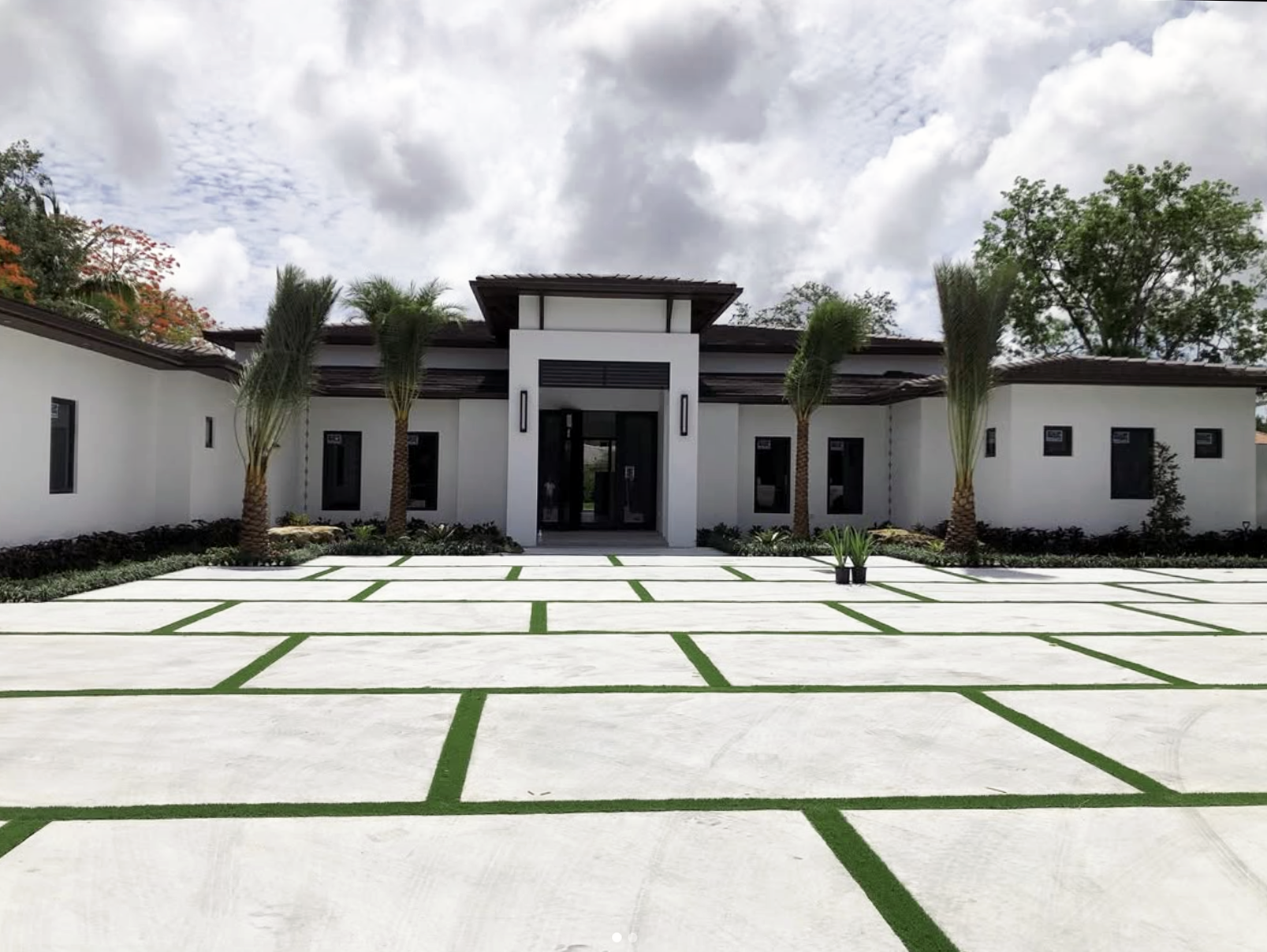
A wind mitigation inspection in Florida helps document how well your home is built to withstand high winds, severe storms, tropical storms, and hurricane-related wind damage. For many Florida homeowners, this inspection is also an important step in pursuing wind mitigation credits, wind mitigation discounts, and potential savings on homeowners insurance.
A wind mitigation inspection does not make your home stronger by itself. Instead, it documents wind resistant features that may already exist on the property, such as roof shape, roof deck attachment, roof-to-wall connections, secondary water resistance, opening protection, impact resistant windows, impact rated doors, garage doors, and hurricane shutters.
If your home has strong wind mitigation features, the inspection report may help your insurance company determine whether your home qualifies for premium discounts. Actual savings depend on your insurance carrier, your policy, your home’s features, the inspection results, and how your insurer applies available credits.
Secure Windows & Doors does not perform wind mitigation inspections and cannot guarantee insurance discounts. However, we do install impact windows and doors, which may help improve opening protection when properly selected, permitted, installed, and documented.
What Is a Wind Mitigation Inspection?
A wind mitigation inspection is a professional evaluation of a home’s wind resistant features. The inspection focuses on key structural elements that can affect how a home performs during high winds and severe storms.
The inspection results are documented in a wind mitigation report, also called a wind mitigation inspection report. In Florida, this report is typically completed using the official Uniform Mitigation Verification Inspection Form, also known as OIR-B1-1802.
The wind mitigation report helps insurance companies review the home’s protective features and determine whether the homeowner may qualify for wind mitigation credits or insurance discounts.
A wind mitigation inspection may review:
- Roof covering
- Roof deck attachment
- Roof-to-wall connections
- Roof shape
- Secondary water resistance
- Opening protection
- Impact resistant windows
- Impact rated doors
- Garage doors
- Hurricane shutters or storm shutters
- Other wind mitigation features
Is a Wind Mitigation Inspection Required in Florida?
A wind mitigation inspection is not always required for every homeowner, but it is often needed if you want to document wind resistant features for homeowners insurance discounts. Insurance companies generally need a completed wind mitigation report before applying wind mitigation credits to a policy.
Most Florida homeowners request a wind mitigation inspection when:
- They are buying a home
- They are shopping for homeowners insurance
- Their insurance agent recommends it
- They recently installed impact windows or doors
- They completed roof improvements
- They added hurricane shutters or opening protection
- They made upgrades through the My Safe Florida Home Program
- Their previous wind mitigation report is outdated
- They want to see whether their home qualifies for additional savings
If you are not sure whether a wind mitigation inspection is required for your situation, ask your insurance agent or insurance company.
Who Can Perform a Wind Mitigation Inspection?
A wind mitigation inspection must be completed by a qualified professional. Homeowners cannot complete and submit their own inspection form for insurance credits.
Qualified inspectors may include licensed home inspectors, building code inspectors, general contractors, building contractors, residential contractors, professional engineers, or professional architects, depending on Florida requirements and insurer guidelines.
Before scheduling an inspection, homeowners should confirm that the inspector has the proper current credentials and is familiar with Florida’s Uniform Mitigation Verification Inspection Form.
How Long Does a Wind Mitigation Inspection Take?
A wind mitigation inspection is usually a fairly short appointment. Many inspections take about 30 to 60 minutes, depending on the size of the home, attic access, the number of openings, and how easy it is to verify the home’s features.
During the inspection, the inspector may need access to the attic, exterior openings, garage doors, roof-related documentation, permits, product approvals, and any available paperwork for impact windows, impact doors, storm shutters, or roofing materials.
How Much Does a Wind Mitigation Inspection Cost in Florida?
The cost of a Florida wind mitigation inspection can vary based on the inspector, location, property size, and whether the inspection is bundled with other home inspection services.
Many homeowners see inspection pricing in the general range of $75 to $150, but the final cost depends on the provider. Some homeowners may receive a free inspection through the My Safe Florida Home Program if they qualify and the program is accepting applications.
Because the potential insurance savings can vary widely, homeowners should view inspection cost as one part of a larger conversation with their insurance agent.
How Long Is a Wind Mitigation Report Valid?
A wind mitigation report is commonly treated as valid for up to five years from the inspection date, as long as no material changes have been made to the home. However, each insurance company may have its own documentation requirements, so homeowners should confirm the report’s acceptance with their insurance provider.
A new inspection may be needed if:
- You install new impact windows
- You replace exterior doors
- You upgrade garage doors
- You add storm shutters
- You replace or modify the roof
- You add secondary water resistance
- You improve roof-to-wall connections
- You make structural changes
- Your insurance company requests an updated report
- Your existing report is more than five years old
If you recently added wind mitigation features, a new inspection may help document the upgrades and unlock additional savings.
What Does the Inspector Check?
A wind mitigation inspection focuses on the features most closely tied to wind resistance. Some of these features are easy for homeowners to see. Others require attic access, documentation, or professional evaluation.
Roof Covering
The inspector reviews the roof covering to document the type of roofing materials and the permit information when available. The roof covering can affect how the home performs during high winds and severe storms.
Roof Deck Attachment
Roof deck attachment refers to how the roof deck is fastened to the roof framing. The inspector may review nail size, nail spacing, and other attachment details where visible. Stronger roof deck attachment can help the roof system resist uplift during high winds.
Roof-to-Wall Connections
Roof-to-wall connections help secure the roof structure to the walls of the home. The inspector may look for hurricane straps, clips, single wraps, double wraps, or other structural connections through attic access.
These connections help create a stronger load path from the roof to the walls and foundation. Stronger roof-to-wall connections can reduce the chance of roof failure during severe winds.
Roof Shape
Roof geometry matters. Hip roofs generally perform differently from gable roofs because wind interacts with the shapes in different ways. The inspector documents the roof shape because it can affect wind mitigation credits.
Secondary Water Resistance
Secondary water resistance, sometimes called SWR, is a backup water barrier installed beneath the roof covering. It can help reduce water intrusion if the roof covering is damaged during a storm.
Opening Protection
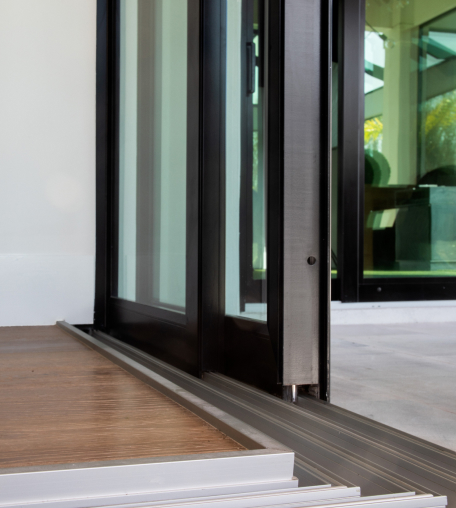
Opening protection is one of the most important categories for homeowners considering impact windows and doors. The inspector checks whether windows, exterior doors, sliding glass doors, garage doors, and other openings are protected from windborne debris.
Opening protection may include:
- Impact resistant windows
- Impact rated doors
- Impact rated garage doors
- Hurricane shutters
- Storm shutters
- Other approved protective systems
Why Opening Protection Matters
During hurricanes and severe storms, flying debris can break windows, damage doors, or compromise garage doors. Once an opening fails, wind and rain can enter the home, increasing the risk of water intrusion, interior damage, and pressure changes that can affect the rest of the structure.
Impact resistant windows and doors help protect these vulnerable openings. They are designed with laminated glass and reinforced systems that help withstand high winds and flying debris. If the glass cracks, the interlayer helps hold the glass together and maintain a protective barrier.
For homeowners, opening protection is valuable because it supports home safety, storm protection, security, and potential wind mitigation discounts.
Do Impact Windows Qualify for Wind Mitigation Credits?
Impact windows may help a home qualify for wind mitigation credits when they meet applicable standards, are properly installed, and are documented during the inspection.
To support the opening protection category, impact windows should have the appropriate product documentation. In South Florida, this may include Florida Product Approval information, Miami-Dade Notice of Acceptance documentation where applicable, permits, invoices, and final inspection records.
Installing impact windows can improve opening protection, but the insurance company determines the actual discount based on the completed wind mitigation inspection report and its rating plan.
Do You Need Impact Windows on Every Opening?
For the strongest opening protection credit, homeowners generally need all required openings protected. Partial protection may still improve safety, but it may not qualify the home for the same wind mitigation discounts as complete opening protection.
This is why homeowners should think beyond windows alone. Doors and garage doors can also affect the inspection results.
A complete opening protection plan may include:
- Impact windows
- Impact doors
- Sliding glass doors
- Impact rated garage doors
- Approved hurricane shutters for any remaining openings
Before starting a project, homeowners should ask their insurance agent how complete opening protection is evaluated for their policy.
What the 2026 Wind Mitigation Form Update Means
Florida’s Uniform Mitigation Verification Inspection Form, OIR-B1-1802, was revised effective April 1, 2026. Inspections conducted on or after that date must use the revised form.
The update is tied to Florida’s review of windstorm damage mitigation features, construction techniques, and related insurance discounts. For homeowners, this means it is important to work with an inspector who is using the current form and understands the updated documentation requirements.
If you completed a wind mitigation inspection before April 1, 2026, ask your insurance carrier whether your existing report is still acceptable. Some insurers may continue accepting prior reports that were completed within five years if no structural changes have been made, but your insurance company should confirm what applies to your policy.
Can a Wind Mitigation Inspection Lower Insurance Premiums?
A wind mitigation inspection may help lower insurance premiums if the report documents qualifying wind mitigation features. Florida law supports savings for homeowners who install or implement windstorm mitigation features intended to reduce windstorm losses, but actual discounts vary.
Insurance companies may review the report to determine credits for:
- Roof covering
- Roof deck attachment
- Roof-to-wall connections
- Roof shape
- Secondary water resistance
- Opening protection
- Impact rated windows and doors
- Other mitigation features
The inspection does not guarantee savings. Your insurance company decides whether the home qualifies and how much of a discount applies.
How Much Can Homeowners Save?
Some Florida homeowners save money after submitting a wind mitigation report, but there is no universal savings amount. Savings depend on the home, the insurance company, the policy, the wind portion of the premium, the property location, and the verified mitigation features.
Homes with more complete wind mitigation features may qualify for more discounts than homes with only one upgrade. For example, impact windows may help with opening protection, but additional features like roof-to-wall connections, roof shape, roof deck attachment, and secondary water resistance can also affect the final discount.
The best way to estimate actual savings is to speak with your insurance agent before and after the inspection. Ask which improvements could have the biggest effect on your policy and whether adding wind mitigation features may unlock additional savings.
Wind Mitigation Inspection and the My Safe Florida Home Program
The My Safe Florida Home Program is a state program that may provide eligible homeowners with a free wind mitigation inspection and, for qualifying homeowners, grant funds for approved hurricane mitigation improvements.
The program is administered by the State of Florida, not Secure Windows & Doors. Homeowners must apply through the official program website and follow the program’s inspection, grant application, approval, final inspection, and reimbursement process.
The program may cover core wind mitigation upgrades such as:
- Roof-to-wall connections
- Roof-to-deck attachment
- Opening protection, including windows, doors, and garage doors
- Secondary water resistance
If your inspection report recommends opening protection and you are considering impact windows or doors, Secure Windows & Doors can provide a free estimate for the window and door portion of the project.
How to Prepare for a Wind Mitigation Inspection
Homeowners can make the inspection process easier by gathering available documentation in advance.
Helpful documents may include:
- Roof permits
- Window and door permits
- Product specifications
- Florida Product Approval numbers
- Miami-Dade NOA information, if applicable
- Contractor invoices
- Final inspection records
- Garage door documentation
- Hurricane shutter documentation
- Prior wind mitigation reports
- Insurance policy information
You should also make sure the inspector can access the attic, garage, exterior openings, and any areas needed to verify the home’s features.
How to Make Sure Impact Windows Are Properly Documented
If you installed impact windows, documentation matters. The inspector and insurance company may need proof that the windows are impact rated, approved, and properly installed.
Keep records such as:
- Product approval documents
- Window specifications
- Permit documents
- Paid invoices
- Contractor license information
- Final inspection records
- Photos, if applicable
Secure Windows & Doors can provide documentation related to the impact windows and doors we install. Homeowners should keep those records with their insurance paperwork and share them with the inspector when scheduling a new inspection.
Why Professional Installation Matters
Impact windows must be installed properly to perform as intended. Even high quality products can underperform if they are not measured, permitted, anchored, sealed, and inspected correctly.
Professional installation helps support:
- Product performance
- Florida Building Code compliance
- Proper sealing
- Long-term durability
- Opening protection documentation
- Manufacturer warranty requirements
- Wind mitigation inspection results
Secure Windows & Doors provides professional impact window and door installation for South Florida homeowners. With more than 44 years of experience, our team understands the importance of proper product selection, permitting, installation, and documentation.
Wind Mitigation vs. Hurricane Protection
Wind mitigation and hurricane protection are connected, but they are not the same thing.
Wind mitigation refers to features that reduce the risk of wind damage and may qualify for insurance discounts. Hurricane protection refers more broadly to the steps homeowners take to protect their property during storms.
Impact windows support both. They can help protect against flying debris and may also improve the opening protection category on a wind mitigation report.
Other hurricane protection strategies may include:
- Hurricane shutters
- Impact doors
- Impact rated garage doors
- Roof improvements
- Secondary water resistance
- Stronger roof-to-wall connections
- Regular maintenance before hurricane season
When Should You Schedule a New Inspection?
You may want to schedule a new wind mitigation inspection if:
- Your current report is more than five years old
- You installed impact windows
- You installed impact doors
- You upgraded your garage door
- You added hurricane shutters
- You replaced your roof
- You improved roof-to-wall connections
- You added secondary water resistance
- You are switching insurance companies
- Your insurance agent recommends it
- You want to confirm whether your home qualifies for additional savings
A new inspection can help make sure your home’s features are documented accurately.
FAQs About Wind Mitigation Inspection in Florida
How Much Does a Wind Mitigation Inspection Cost in Florida?
Wind mitigation inspections often cost about $75 to $150, depending on the inspector, property, and location. Some homeowners may qualify for a free inspection through the My Safe Florida Home Program when funding and eligibility allow.
How Long Is a Wind Mitigation Report Valid?
A wind mitigation report is commonly valid for up to five years from the inspection date, but homeowners should confirm acceptance with their insurance company. If major structural changes or mitigation upgrades are made, a new inspection may be needed sooner.
Are Inspections Completed Before April 1, 2026 Still Accepted?
Some insurers may continue accepting older OIR-B1-1802 forms completed within five years before April 1, 2026 if no changes were made to the structure. However, inspections conducted on or after April 1, 2026 must use the revised form. Ask your insurance carrier what applies to your policy.
Do Impact Windows Lower Insurance Premiums on Their Own?
Impact windows may help qualify a home for wind mitigation credits under the opening protection category, but they do not guarantee lower premiums on their own. The insurance company reviews the full wind mitigation report and determines the final discount.
Do All Windows, Doors, and Garage Doors Need Protection?
For stronger opening protection credits, all required openings generally need to be protected. This may include windows, exterior doors, sliding glass doors, garage doors, and other glazed openings. Ask your insurance agent or inspector how your home will be evaluated.
Can Secure Windows & Doors Perform My Wind Mitigation Inspection?
No. Secure Windows & Doors installs impact windows and doors, but we do not perform wind mitigation inspections. A qualified inspector must complete the inspection and submit the appropriate report. We can provide documentation related to the impact products we install.
Schedule a Free Impact Window Estimate
If your wind mitigation inspection shows that your home needs better opening protection, Secure Windows & Doors can help you explore impact windows and doors for your property.
Our family-owned company has more than 44 years of experience installing hurricane impact windows and doors in South Florida. We provide high quality products, professional installation, honest pricing, and clear documentation for the work we perform.
Contact Secure Windows & Doors at (305) 513-0705 to schedule your free estimate for impact windows and doors.
This article is general information only and is not insurance advice. Always confirm inspection requirements, credits, discounts, and premium changes with your insurance agent, insurance company, or licensed wind mitigation inspector.